Tips and Ideas For Homeschooling
- Karishma Shah
- Jun 20, 2020
- 5 min read

Updated: Jul 11, 2020
Tips and Ideas for parents and educators for homeschooling children


Karishma Shah . June 8, 2020
E.C.C.Ed, Parenting Coach, Founder at Playful Poodle


School closures around the world has compelled parents and teachers to homeschool their children in these difficult times.
With the global pandemic taking over the world, families are struggling to figure out how to navigate through this situation. This unprecedented situation has also left most parents confused and worried about the safety and education of their children. As schools have close down across the world, the concern for education of children grows.
This is why parents are encouraged to engage their kids at home and continue their education through homeschooling. But homeschooling kids is not easy as it sounds. From gathering teaching materials, to setting a daily schedule, homeschooling can be overwhelming, especially for first-timers. Therefore, for parents scrambling with homeschooling ideas, here are some effective homeschooling tips that can help you keep your children engaged during lock down.
1. Create a designated Learning Space
Homeschooling is fun, exciting, and often messy. Living and learning under the same roof can quickly lead to disorganization and chaos—not a great environment for fostering happy students (or parent teachers!).
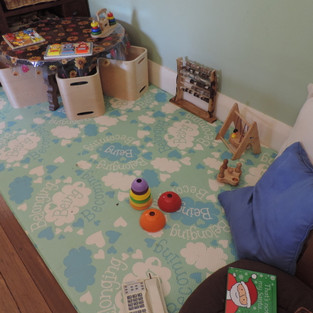
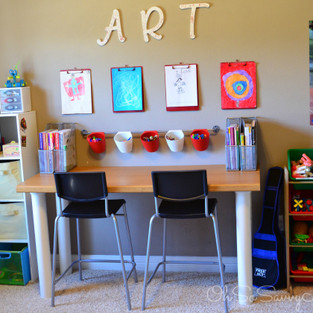
To avoid confusion (and preserve sanity), keep your children’s study materials organized and designate a specific learning hub—a space where they keep supplies and books. Even if your kids end up doing work at the kitchen table, it helps to keep their things organized in one space. Once they are done with their schoolwork, have them return their materials to their designated space.
Consider posting a printed schedule at their hub so they always know what tasks need to get done and what goals they’re working on that day or week. Here are some examples of learning spaces created at home.



2. Follow a schedule
Homeschooling brings a wonderful level of flexibility and spontaneity to children’s education. However, without a clear structure, it can be easy to get distracted and go off track.
Kids thrive when they have a basic structure and routine. Consider creating and following a daily schedule. You can always adapt, but a schedule will give you focus and direction each day.
Here are a few tips for making clear and effective schedules:
Color-code by type of activity or school subject to quickly see what you’re working on at any given day or time. Color-coding is helpful for any age (including adults) but its simplicity can be especially useful for younger children who are learning how to use a schedule.
You can even include a time for lunch breaks, activity time, and TV breaks to help them manage their time well. This will also help you plan any work meetings to match their schedule, which is good for both you and your kids.
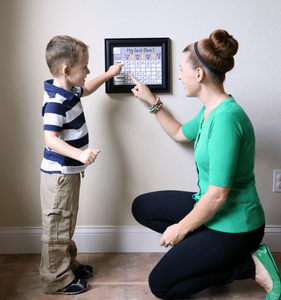
You can set a timetable along with your child like the one below.

Get your free printable timetable for home
3. Set learning goals together
Homeschooling gives your child the opportunity to direct and customize their education. Goals are an important part of that process. When you have a vision and a plan for where you want to go, you are more likely to achieve those learning outcomes and properly align your day-to-day curriculum.
As the parent/teacher, outline some key learning objectives for your child ahead of time. (These will likely be based on state or national requirements, your personal educational philosophy, as well as your child’s age and abilities.) Once you have some broad objectives and benchmarks, sit down with your child and get their input.
Work together to set learning goals broken down by year, semester, and month. This is also a great opportunity to teach your child goal-setting skills and best practices.



4. Take learning beyond the classroom
One of the best parts of homeschooling (and one of its greatest advantages) is the flexibility to learn outside a traditional classroom setting.
Look for learning opportunities beyond the textbooks:
Play board games.
Practice baking and cooking.
Learn household management skills like laundry or simple budgeting.
Write emails to friends and family.
Visit local businesses.
Go to the market.
Go to the library.
Take Field Trips whenever possible.
Make time for these opportunities in your daily schedule and keep an open mind—exploring new skills, meeting new people, and playing are all important ways we learn and grow. Incorporate those experiences into your homeschool environment for a well-rounded curriculum.



5. Make learning a family activity
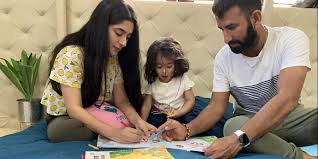
Share your excitement for learning with your kids. Is there a subject or activity that everyone in the family enjoys? Lean into that.
For example, you could:
Read together.
Explore a new hobby or have a family member teach a skill.
Make crafts.
Practice and learn life skills together.
There are countless ways to involve the family and make learning fun. Take a family trip to the zoo to learn more about animals or ecology. Or practice home economics skills by cooking together or learning how to plan a meal and make a grocery list. Apps like Duolingo learning a new language—practice together and see who can ramp up the most points.
Get creative and involve the whole family for a fun and memorable experience often.



6. Collaborate with other homeschoolers / teachers
Just because you’re in charge of your child’s education doesn’t mean you’re in this alone. There are rich and diverse homeschool communities all around the world.
Connect with other homeschoolers in your area or online to collaborate and share resources. This will not only make the schooling process easier on you, but it will also enrich your child’s experience and expand their educational opportunities in and out of your home or virtually for now. There are also many teachers around that will help the kids with their skilled expertise. Reach out to them and take guidance for planning and teaching. You can even collaborate with teachers and get the kids involved in the learning process with other kids.
7. Fun with Activities
You can always help your kids learn new things in a fun way, especially when they have so much time on their hands. Home activities will not only help them learn but also bond with you throughout the day. You can have fun playing indoor games, divide household chores or cook food with them. Spending quality time with your kids should also be part of their daily routine so make sure you take some time out to connect and engage with them. For some fun learning engagements and ideas click here.


8. Online Resources
During this time, online resources have emerged as a savior to all parents and educators currently homeschooling their children. There are many great sites and platforms you can find online that provide free educational content to help your kids polish their skills. Here’s a list of free online resources:
Math: https://www.khanacademy.org/
Language:
Reading : https://www.getepic.com/
Phonics: https://www.readingbear.org/
Science: https://www.sciencekids.co.nz/
Apps: https://classdojo.com/
Remember: Homeschooling doesn’t have to mirror the structure and set up of schools. Don’t be afraid to experiment with your learning style and schedule. Listen to your child and pay attention to what works well for them and adapt as needed.
At-home education and distance learning can seem intimidating and overwhelming in the beginning. With so many moving parts to juggle and energetic kids (or apathetic teens) to motivate, staying organized and fostering an engaging learning environment is no easy task.
Luckily, there are tons of free homeschooling resources for parents and students. Follow the tips above to get started.
Share your thoughts with us. Keep Inspiring.... Keep Sharing !

Comments